Featured
The 15-Second Trick For How Ignoring to Pursue Debts You ...
The 25-Second Trick For Your Introduction to Debt Counsel...
The Ultimate Guide To Financial Factors and How More Amer...

The Ultimate Guide To What You Should Prepare For Through...

Accreditation Requirements from Other Debt Relief Organizations Things To Know Before You Buy
Table of Contents
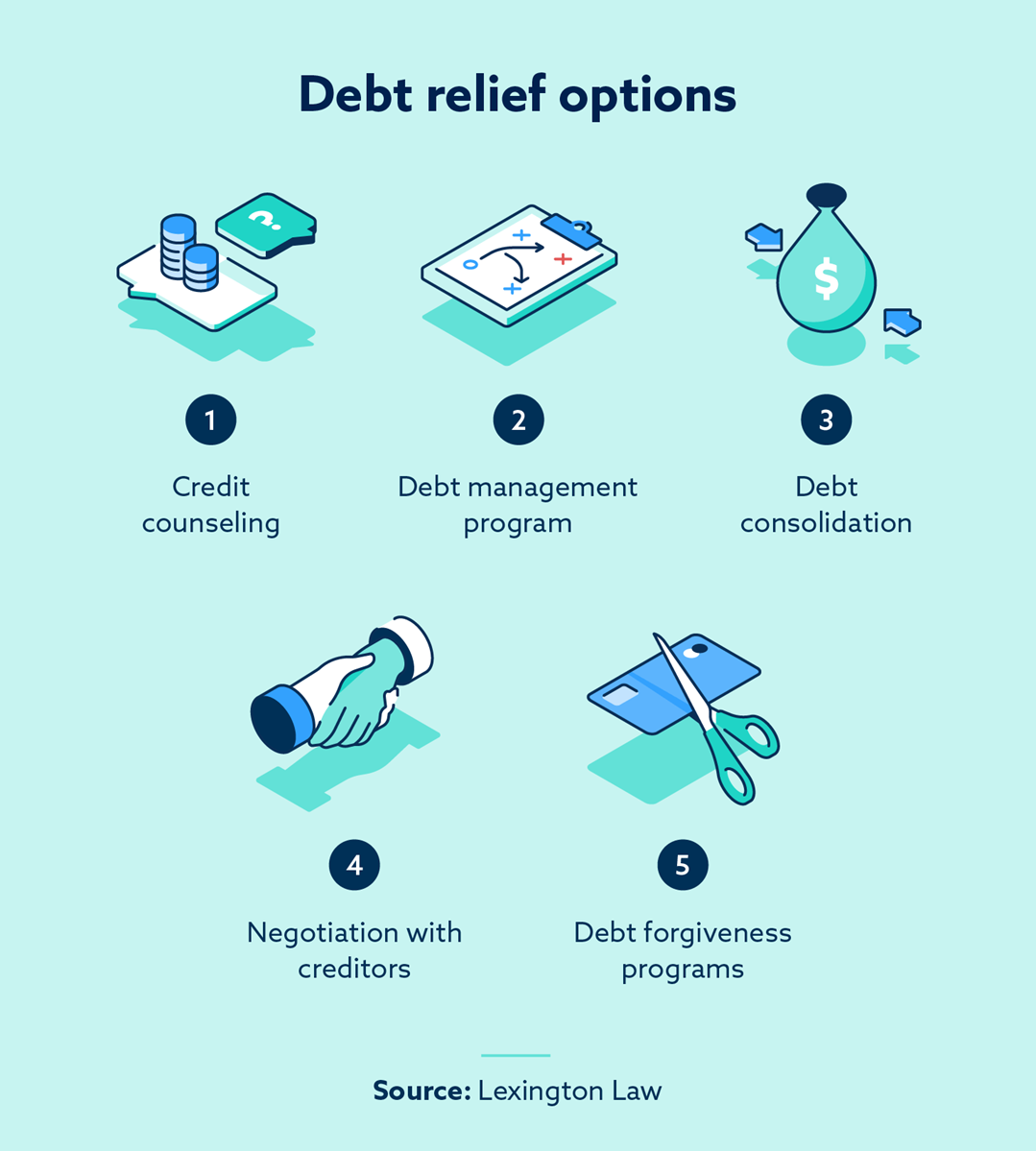
That liberates money in the short-term, and you might have 3 to four years to save towards the negotiation amount. Very harmful to credit history scores, mostly because of missed settlements and an adverse "worked out" mark that can remain on your credit history report for as much as seven yearsMay be only choice if other alternatives (debt loan consolidation, equilibrium transfer charge card, financial debt mercy) aren't possibleTypically requires a cost to the 3rd party, which might offset some or every one of the financial savings from financial debt settlementMay assist you stay clear of bankruptcy if you have actually missed several paymentsNot all financial institutions work with financial debt negotiation companies Financial obligation mercy may be best for you if you are experiencing a monetary challenge that makes it nearly impossible to pay for your financial obligation balances.
With a DMP, you make one monthly payment to the credit history therapy company. Those funds are after that distributed to lenders of your unsecured financial debts, such as debt cards and installment financings. The firm works with your creditors to minimize rate of interest or forgo fees, however some financial institutions may decline such concessions.
It can aid you pay down financial debt if you're able to secure a lending price that's reduced than the ordinary price of the accounts you're settling. You must avoid from racking up debt on those newly removed accounts or your debt can grow also greater.
That offers you lots of time to remove or considerably minimize your balance while making interest-free repayments.
Understanding Your Protections in Cultural Dimensions of Money: Tailoring Counseling for Diverse Financial Beliefs - The Facts
You might need it if your creditor or a collection agency ever before tries to gather on the debt in the future. When a lender forgives $600 or more, they are called for to send you Kind 1099-C.
Financial debt forgiveness or settlement often hurts your credit report. Anytime you work out a debt for less than you owe, it may look like "worked out" on your credit scores record and affect your credit rating for 7 years from the day of settlement. Your credit score can also go down substantially in the months bring about the mercy if you fall back on settlements.
Everything Must Prepare For During the Debt Forgiveness Process Fundamentals Explained
This situation commonly results from underreporting revenue, not submitting returns on time, or disparities located during an Internal revenue service audit. The consequences of collecting tax debt are major and can consist of tax liens, which provide the Internal revenue service a legal claim to your property as security for the financial debt.
Higher rate of interest on readily available debt. Wages and Bank Accounts IRS can impose (seize) incomes and bank accounts to please the financial obligation. Lowered revenue and disruption of important financial procedures. Property Seizure In severe instances, the internal revenue service can seize and market building to cover the financial obligation. Loss of beneficial possessions and possible variation.
Anxiety, anxiousness, and other mental health concerns. Social Stigma Encountering lawsuit from the internal revenue service can carry social stigma. Damages to credibility and relationships. Work Opportunities An inadequate credit rating because of tax financial debt can restrict employment possibility. Trouble finding or maintaining a task. Federal government Advantages Tax obligation financial debt may impact eligibility for government advantages, such as Social Security and Medicaid.
What Does Expert Guidance Safeguards What You've Built Mean?
The OIC thinks about numerous aspects, including the taxpayer's income, expenses, possession equity, and ability to pay. Successfully discussing an OIC can be intricate, calling for an extensive understanding of the internal revenue service's guidelines and a solid disagreement for why your offer lines up with your capacity to pay. It is essential to keep in mind that not all applications are approved, and the process needs comprehensive economic disclosure.
The IRS evaluates your total economic circumstance, including your earnings, costs, possession equity, and capacity to pay. You must also be present with all filing and payment needs and not remain in an open insolvency proceeding. The IRS additionally considers your conformity background, reviewing whether you have a document of prompt filing and paying taxes in previous years.
The 9-Second Trick For Financial Conditions Impacting How More Families Need for Cultural Dimensions of Money: Tailoring Counseling for Diverse Financial Beliefs
The application process for an Offer in Concession entails numerous detailed steps. You must finish and submit IRS Kind 656, the Deal in Compromise application, and Kind 433-A (OIC), a collection info statement for people. These kinds need detailed financial details, consisting of information concerning your earnings, financial debts, expenses, and possessions.
Back tax obligations, which are overdue taxes from previous years, can significantly raise your overall internal revenue service debt if not addressed without delay. This debt can accrue interest and late payment charges, making the original quantity owed a lot bigger gradually. Failing to pay back tax obligations can lead to the IRS taking enforcement activities, such as providing a tax obligation lien or levy versus your property.
It is necessary to address back taxes as quickly as feasible, either by paying the complete quantity owed or by organizing a layaway plan with the internal revenue service. By taking proactive steps, you can prevent the buildup of added interest and penalties, and protect against a lot more hostile collection activities by the internal revenue service.
One common reason is the belief that the taxpayer can pay the full amount either as a swelling sum or through a repayment plan. The IRS likewise thinks about the taxpayer's earnings, costs, property equity, and future earning potential. If these variables show that the taxpayer can afford to pay greater than the used quantity, the IRS is likely to turn down the deal.
Rumored Buzz on What the Law Says When Undergoing Debt Relief
It is essential to provide accurate and complete info in your application and to consult with a tax expert to boost the possibilities of acceptance. Managing internal revenue service financial debt can be intricate and overwhelming. Tax professionals, such as CPAs, tax obligation attorneys, or enrolled agents, can provide invaluable assistance. They have the experience to browse the complexities of tax obligation legislation and internal revenue service procedures.

Table of Contents
Latest Posts

The 15-Second Trick For How Ignoring to Pursue Debts You Still Owe After Bankruptcy: What You Can’t Erase : APFSC Causes Things More Difficult
The 25-Second Trick For Your Introduction to Debt Counseling with Professionals

The Ultimate Guide To Financial Factors and How More Americans Need for Professional Help
More
Latest Posts
The 25-Second Trick For Your Introduction to Debt Counseling with Professionals
The Ultimate Guide To Financial Factors and How More Americans Need for Professional Help